Scientists discover how to make cancer cells self-destruct
11/23/2025
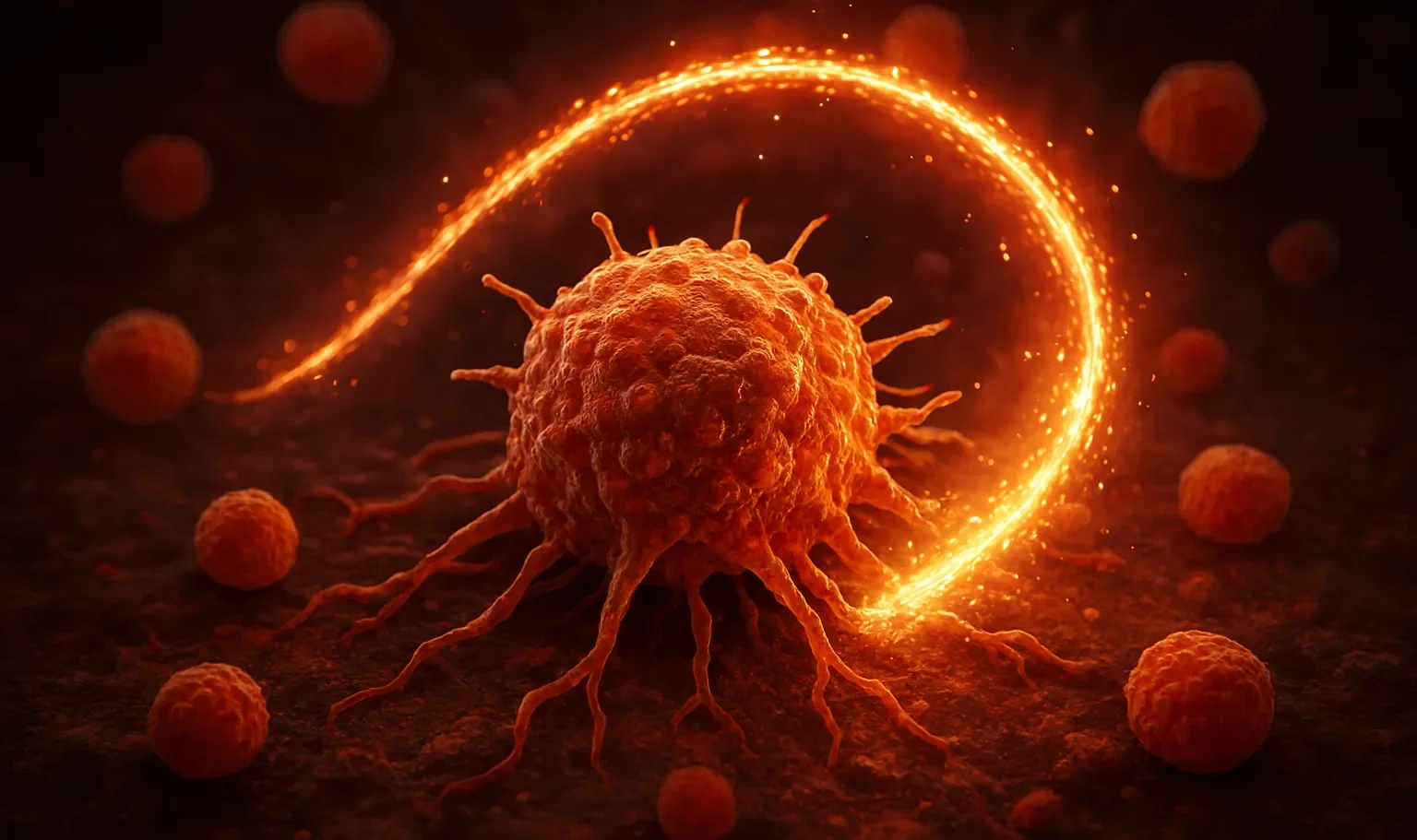
A groundbreaking announcement from New York has stirred the medical community: researchers at Langone Health and the Grossman School of Medicine have found a way to trigger cancer cells to destroy themselves. According to Science Daily, this breakthrough could transform the way oncology is treated.
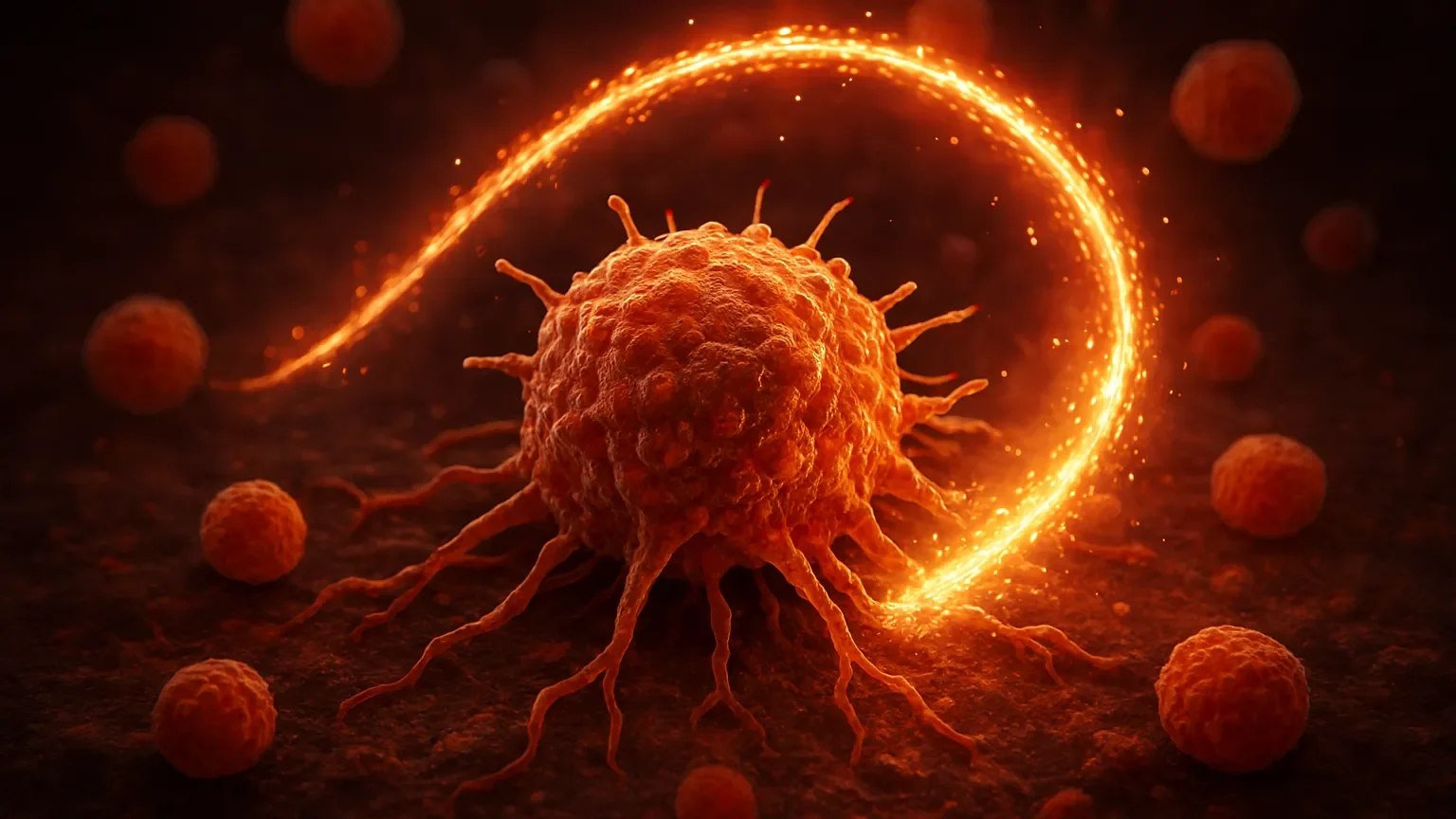
At the heart of the discovery is a process called ferroptosis - a natural form of cell death caused by iron overload and the stress it creates. In healthy organisms, this mechanism acts as a built‑in defense system. Cancer cells, however, have learned to suppress ferroptosis and survive even when damaged. Their main shield is a suppressor protein known as FSP1.
Scientists decided to test what would happen if cancer lost this protection. In experiments on mice, they blocked FSP1 - and the results were striking: lung tumors shrank by nearly 80% as cancer cells began to die off naturally.
Experts believe this opens the door to a completely new treatment strategy, especially for lung cancer - one of the most common and deadly forms of the disease. The research team is already preparing proposals for clinical trials in humans. At the same time, they are exploring whether ferroptosis can be triggered in other types of tumors, including pancreatic cancer.